








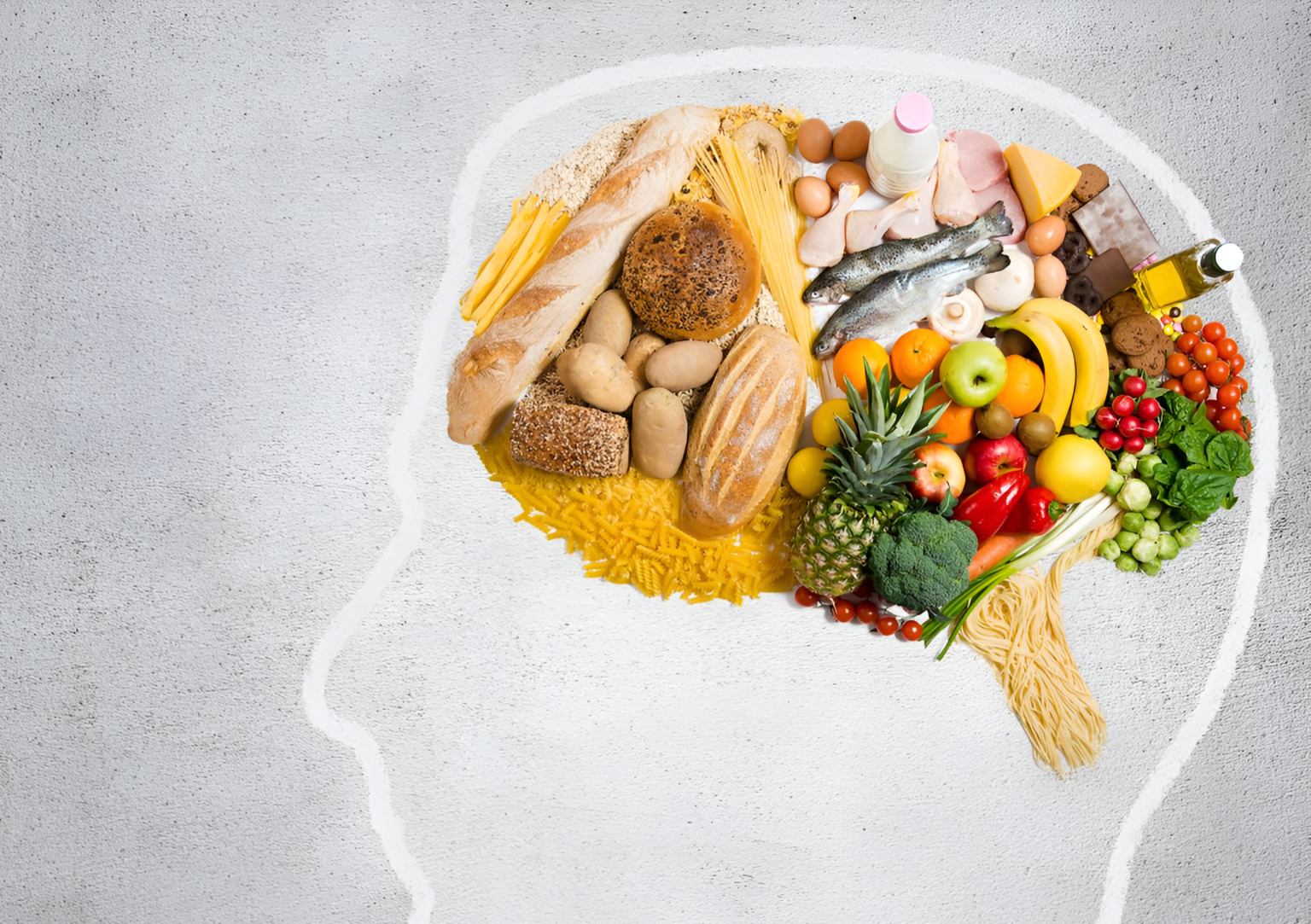


Your brain is always on, working around the clock to manage your thoughts, movements, and senses. This relentless activity demands a constant supply of fuel, and that fuel comes directly from the foods you eat. The emerging field of nutritional psychiatry focuses on this very connection, exploring how diet directly influences brain structure and function, and ultimately, your mood.
Think of your brain as an expensive, high-performance car. It runs best on premium fuel. Eating high-quality foods rich in vitamins, minerals, and antioxidants nourishes the brain and protects it from damaging oxidative stress. Conversely, a diet of low-grade fuel, like processed or refined foods, can be harmful. The brain struggles to eliminate the substances found in these foods, which promote inflammation and oxidative stress. Multiple studies have linked diets high in refined sugars not only to impaired brain function but also to a worsening of mood disorders like depression.
For years, this connection was not fully appreciated by the medical field. Today, we understand a key player is the gut. Approximately ninety-five percent of your serotonin, a neurotransmitter that regulates mood, sleep, and appetite, is produced in your gastrointestinal tract. This gut is lined with millions of nerve cells and is home to trillions of “good” bacteria that make up your microbiome. These bacteria protect the gut lining, limit inflammation, and communicate directly with the brain via neural pathways. The health of this internal ecosystem has a profound impact on your emotional state and energy levels.
Research comparing traditional diets, like the Mediterranean diet, to the typical Western diet reveals that those eating traditional foods have a twenty-five to thirty-five percent lower risk of depression. These diets are rich in vegetables, fruits, and unprocessed grains while being naturally free of refined sugars and processed foods.
You can test this for yourself. Try eating a “clean” diet for a few weeks, cutting out all processed foods and sugar, and observe how you feel. When you slowly reintroduce other foods, the difference in your physical and emotional well-being can be striking, proving just how powerful the link between your plate and your mood truly is.
Source: Harvard Health Publishing


