









By Marilyn Tiphaine
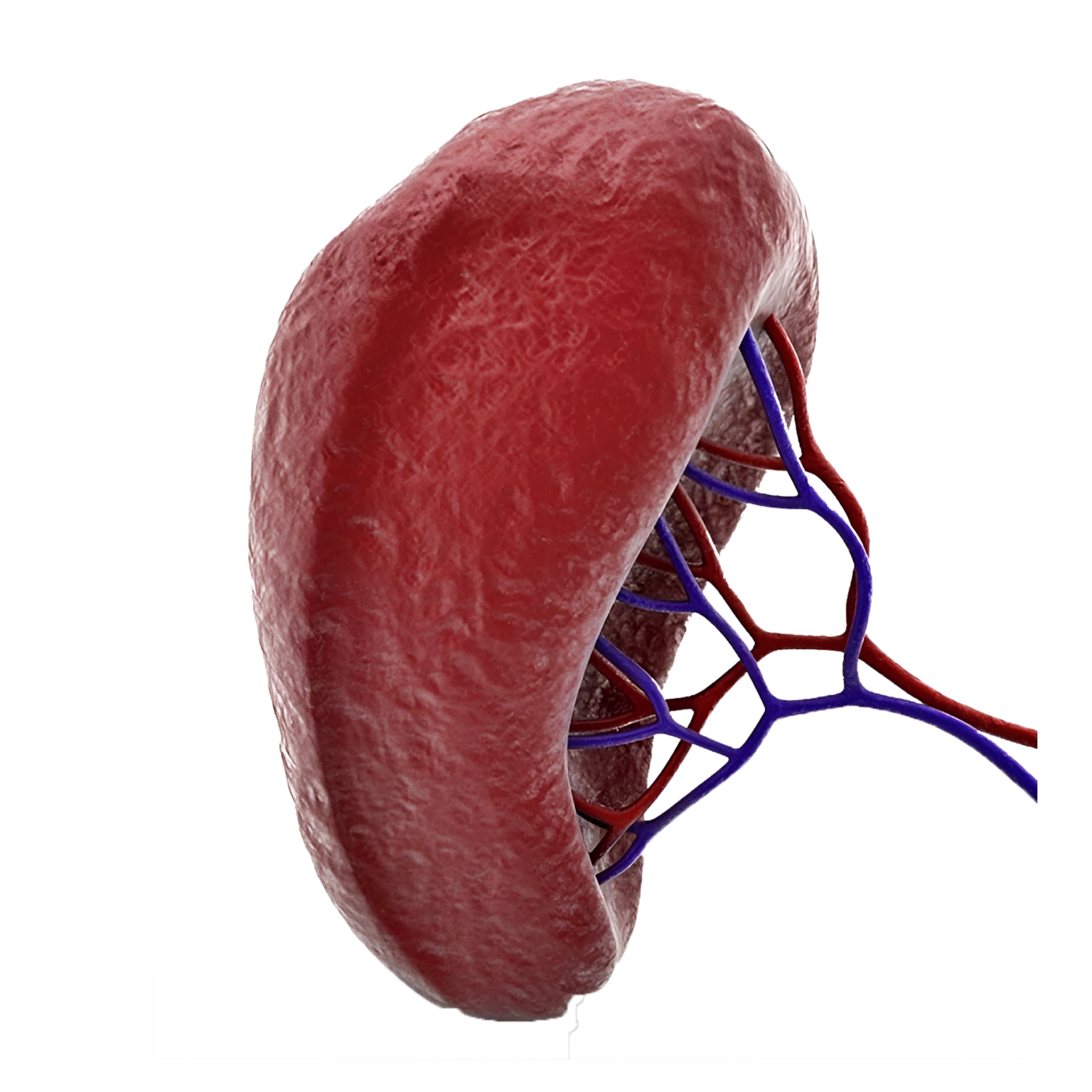
When we think of vital organs, the heart and brain get most of the attention. Yet, tucked quietly beneath your left rib cage lies the spleen a fist-sized organ with a job description that is nothing short of heroic. Often called the “guardian of the bloodstream,” the spleen is essential for immune defense and blood health.
The spleen performs two primary functions. First, it acts as a sophisticated blood filter. As blood flows through its complex network of sinuses, the spleen identifies and removes old, malformed, or damaged red blood cells. It also recycles the iron from these cells, sending it back to the bone marrow to create healthy new ones. Without this quality-control process, your circulation would be clogged with dysfunctional cells.
Second, the spleen is a frontline immune fortress. It contains large numbers of white blood cells (lymphocytes and macrophages) that constantly patrol for foreign invaders, such as bacteria, viruses, and parasites. When it detects a threat like the Neisseria meningitidis bacteria that causes meningitis or malaria-infected red blood cells, the spleen mounts a rapid response, producing antibodies and engulfing the pathogens.
A healthy spleen is easy to overlook until something goes wrong. An enlarged spleen (splenomegaly), often caused by infection, liver disease, or blood cancers, can become fragile and prone to rupture. A ruptured spleen is a life-threatening emergency, causing severe internal bleeding.Perhaps most telling is life without a spleen. People who have had their spleen removed due to injury or disease are highly vulnerable to severe infections, especially from encapsulated bacteria. For this reason, they require strict adherence to vaccinations (pneumococcal, meningococcal, and Hib) and often daily antibiotics. The spleen may be silent, but its protective role is irreplaceable.