








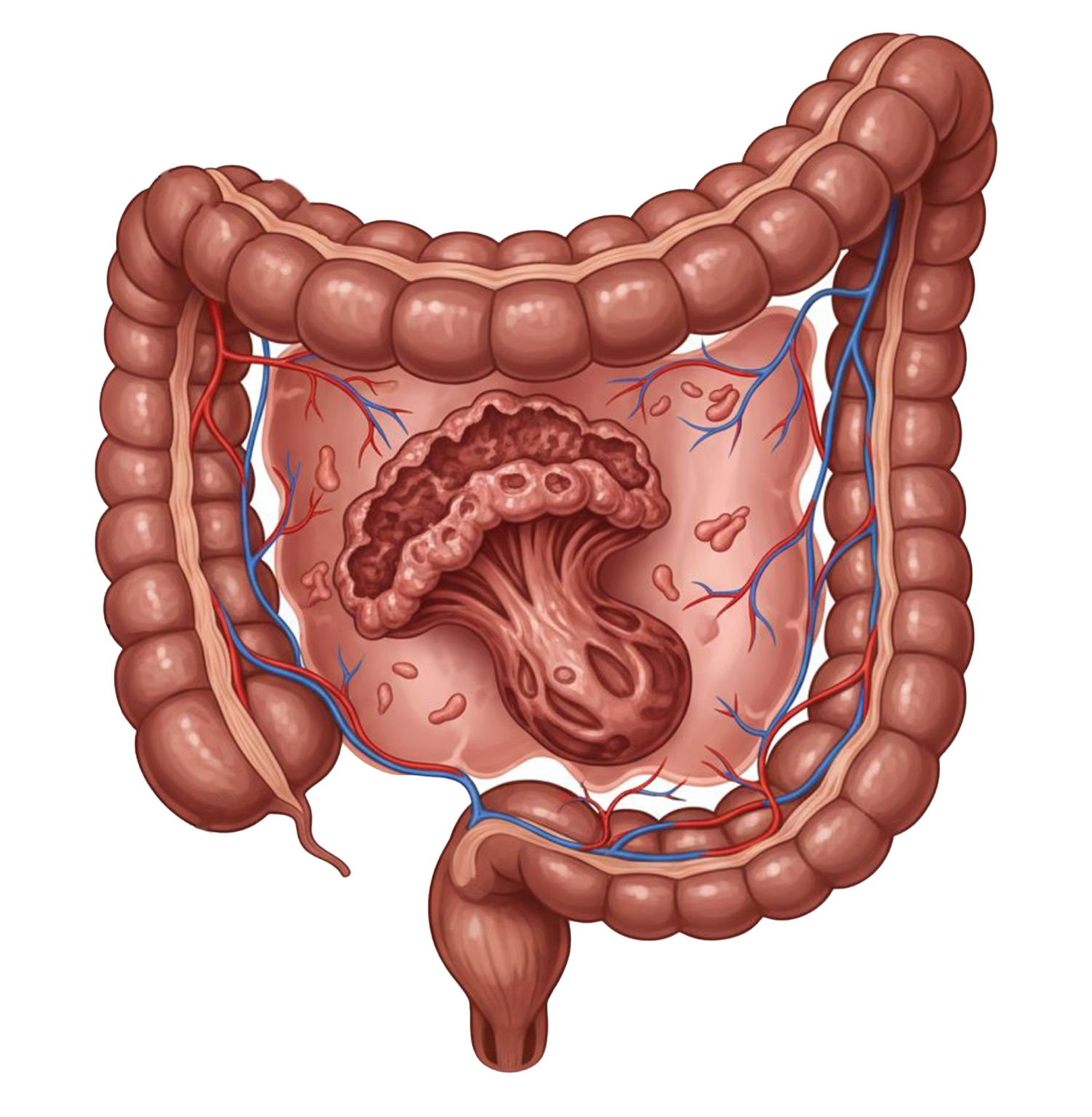


The alarming rise of colorectal cancer in young adults has reached a tipping point: it is now the leading cause of cancer deaths in people under 50, and Yale Medicine surgeons are sounding the alarm for even college students to pay attention.
Once considered a disease of the elderly, colorectal cancer has been steadily increasing in younger generations for years. A new 2026 study published in the Journal of the American Medical Association found that while overall cancer mortality dropped 44% in Americans under 50 between 1990 and 2023, colorectal cancer diagnoses have increased by 1.1% annually since 2005. The disease has climbed from the fifth leading cause of cancer death in this age group to the first.
“We are seeing a clear uptick in colorectal cancer in younger generations,” said Dr. Haddon Pantel, a Yale Medicine colorectal surgeon. His practice recently saw seven young patients diagnosed with rectal cancer in a single week—the oldest was just 35. The youngest colorectal cancer patient diagnosed at Yale in recent months was only 18 and it is now recommend most Americans begin screening at age 45, five years earlier than previously advised.
But screening guidelines don’t help the youngest patients, which is why Yale doctors are focusing on symptom awareness. Dr. Vikram Reddy, who helped identify the rising incidence in young people 15 years ago, urges anyone with symptoms to seek evaluation immediately. “If anyone has any change in their bowel habits, if they have any bleeding—even if they think it’s a hemorrhoid, and it doesn’t go away—just get a colonoscopy,” he said.
Warning signs include rectal bleeding, blood in the stool, dark or black stools, narrow or ribbon-like stools, persistent diarrhea or constipation lasting more than two weeks, unexplained weight loss, and fatigue that might indicate anemia.
Why rates are rising in young people remains unclear. Lifestyle factors including sedentary behavior, obesity, smoking, heavy alcohol use, and low-fiber diets may contribute. Genetics don’t explain the surge—most cases appear sporadically.
For young adults diagnosed, the disease strikes during critical life years, potentially affecting careers, fertility, and finances. But treatment can be highly successful when caught early, and support services help patients navigate physical and emotional challenges.
“Even if you’re in your 20s or 30s, you should get checked out if you have rectal bleeding or any unexplained change in your bowel habits.” Dr. Pantel emphasized,
Source: Yale Medicine


